
 480-497-1500
Key Takeaways:
- While highly venomous pests like Black Widows and Bark Scorpions require immediate medical attention if a sting or bite occurs, many other common indoor invaders are merely active nocturnal hunters seeking a quick meal.
- Effectively preventing arachnid infestations relies on eliminating their food source through targeted habitat modifications like sealing entry points and changing exterior lighting.
- The unique desert climate of Phoenix attracts a distinct variety of arachnids, meaning homeowners need to know which species present genuine safety risks and which are completely harmless.
- Despite common misconceptions and fears about dangerous lookalikes, true breeding populations of brown recluse spiders do not actually exist in Arizona homes.
How to Identify and Prevent Common Spiders in the Phoenix AZ Area
Maricopa County | Pima County | Yavapai County | Coconino County | Pinal County
Spiders are one of the most abundant pests that homeowners have to deal with all year round across the country. In the Phoenix, AZ area, the unique desert climate means we share our spaces with a distinct variety of arachnids. While most species you encounter inside your home or business are entirely harmless, a few require caution.
Understanding which species regularly establish themselves inside urban living spaces — and how to identify actual health and safety risks — is the first step toward effective, long-term pest management. This guide will help you accurately identify the most common indoor spiders in Maricopa County and provide actionable steps to keep them out.
What Spiders Are You Most Likely to Find Indoors in the Phoenix Area?
| Arachnid | Appearance | Venom Risk | Common Indoor Locations | Why It’s Inside |
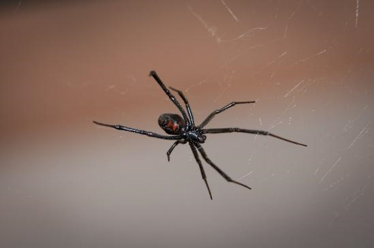
| Black Widow | Shiny black; bright red hourglass on belly. | High (Seek medical attention if bitten) | Garages, sheds, dark closets, crawlspaces. | Seeks dark, undisturbed areas to spin webs and trap crawling insects. |
| Giant Crab Spider | Large, flat, tan/brown body; crab-like leg span. Moves sideways very fast. | Low (Bite causes minor localized pain; not dangerous) | On walls, ceilings, and near curtain folds. | Active nocturnal hunter that enters structures chasing large insects. Often mistaken for a tarantula. |
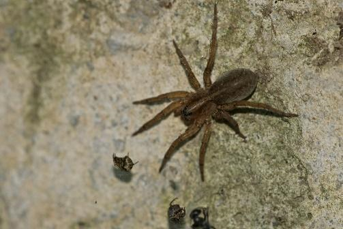
| Wolf Spider | Large, hairy; grayish-brown camouflage. Moves fast. | Low (Bite feels like a mild bee sting) | Ground floors, baseboards, under furniture. | Enters ground floors by mistake while hunting outdoor crickets and pests. |
| Southern House Spider | Light brown or tan; elongated body. Often mistaken for a recluse. | Minimal (Harmless; rarely punctures skin) | Wall cracks, high corners, window frames. | Lives permanently inside wall voids, emerging primarily to mate. |
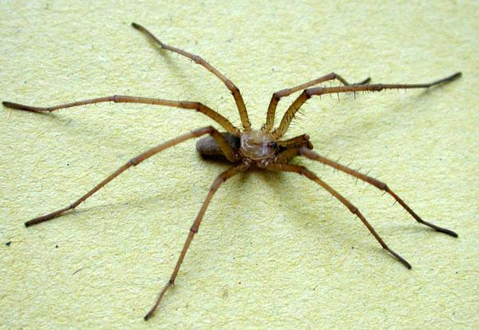
| Cellar Spider | Extremely long, skinny legs; tiny tan body. | None (Harmless to humans and pets) | Basements, under sinks, ceiling corners. | Stays indoors to build loose webs that trap flying gnats and flies. |
| Arizona Bark Scorpion* | Small (2–3 inches), tan/yellow body; slender pincers. | High (Seek medical attention; especially dangerous to kids/pets) | Inside walls, sinks, tubs, and baseboards. | Climbs vertical walls; enters through gaps to escape heat or track prey. |
*Note: Scorpions are arachnids, not spiders, but they are included here due to their high frequency inside Phoenix homes and potential danger.
Is the Brown Recluse Found in Arizona?
True brown recluses are not native to Arizona and do not have breeding populations here. Phoenix is home to native Desert and Arizona Recluses, but these are strictly outdoor desert-dwellers that rarely survive inside air-conditioned homes. While their venom is medically significant, indoor encounters are exceptionally rare unless your property borders raw desert terrain.
Practical Things You Can Do to Help Prevent Spiders and Scorpions in Your Home
Because predatory pests follow their food source, clearing out insects will naturally eliminate arachnids. Use these four quick steps to protect your perimeter:
- Switch to Plastic Bins: Replace cardboard storage boxes in your garage and closets with tightly sealed plastic totes to eliminate dark nesting gaps.
- Hard-Seal Gaps: Install rubber door sweeps on exterior doors and seal gaps around outdoor pipes. Bark scorpions can slide through cracks as thin as a credit card.
- Change Porch Bulbs: Switch exterior white lights to yellow LEDs. White lights attract nocturnal insects like crickets and moths, creating an active feeding ground for predators.
- Vacuum Frequently: Regularly vacuum baseboards and behind furniture to physically remove webs, hiding insects, and egg sacs before they multiply.
Time for Professional Spider Control? Give Us a Call
If you are routinely finding spiders or scorpions, DIY methods are rarely enough. These resilient pests indicate an underlying insect infestation that provides them with a steady food source.
SOS Exterminating can get rid of the spiders in your home with our specialized spider control services in Phoenix. Contact SOS Exterminating today to schedule your comprehensive home inspection and receive a free service quote.
Call us or fill out the form on this page to set up a free spider inspection at your home!